Article: How to Choose Handmade Ceramic Plates for Fine Dining Restaurants
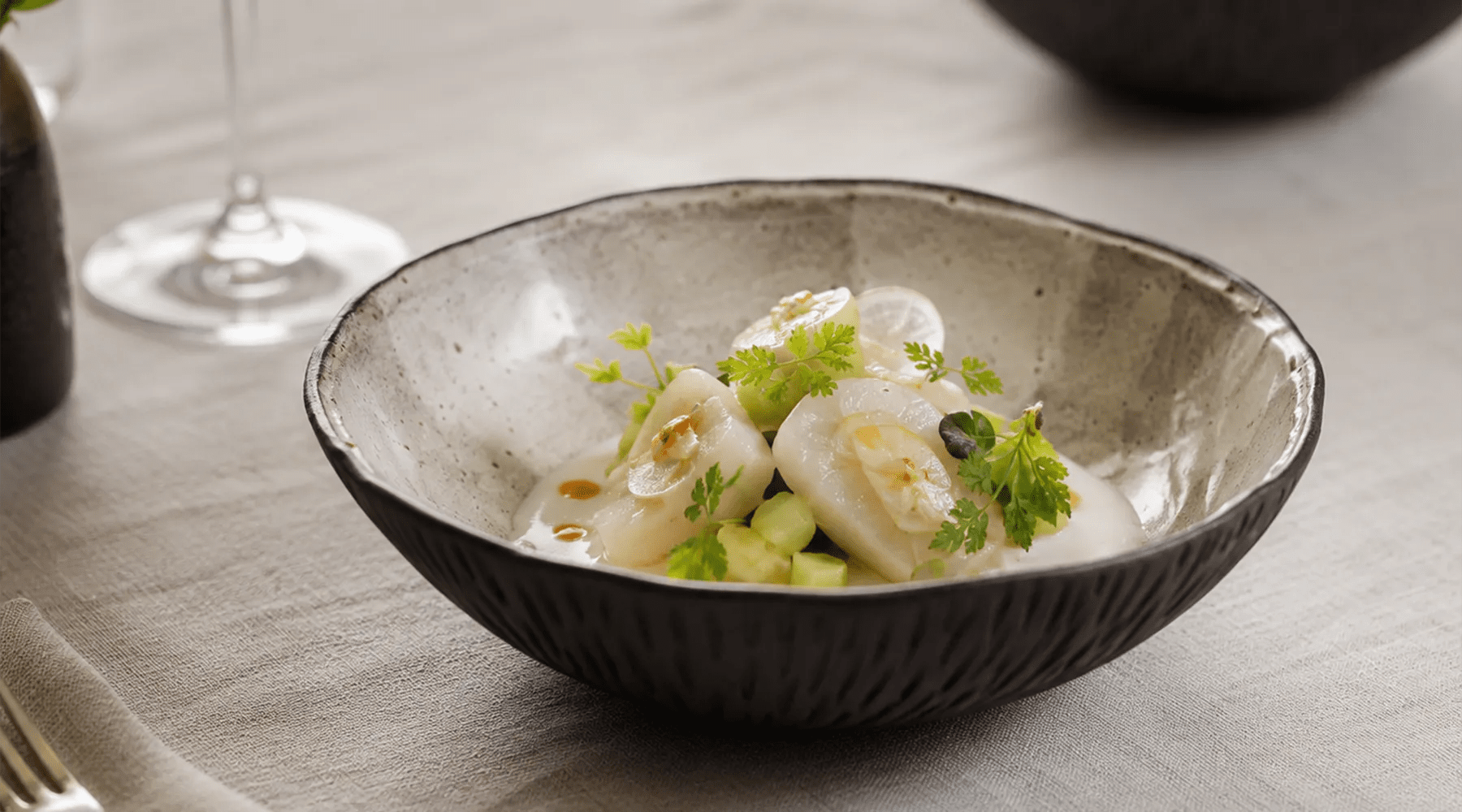
How to Choose Handmade Ceramic Plates for Fine Dining Restaurants
In fine dining, a plate is never only a surface. It is the frame for the dish, the first physical object a guest notices before tasting, and one of the few design elements that moves directly between the kitchen, the dining room and the guest’s hands. For chefs and restaurant owners, choosing handmade ceramic plates is therefore not simply a decorative decision. It is a decision about presentation, pacing, identity and the way a restaurant wants to be remembered.
Handmade ceramic plates bring a different presence to the table than standard dinnerware. They carry variation, texture, glaze depth and the trace of the hand. In the right restaurant, that can support a more personal and considered dining experience. In the wrong context, however, even a beautiful plate can become impractical if it does not fit the menu, portion style, lighting, service rhythm or operational needs.
This guide explains how to choose handmade ceramic plates for fine dining restaurants with the same care used to choose ingredients, plating tools or interior materials.

The right restaurant plate should not compete with the dish. It should make the food feel more intentional.
Start With the Restaurant Concept, Not the Plate
The strongest restaurant tableware begins with the concept of the restaurant.
Before choosing handmade ceramic plates, define what the plate must communicate. Is the restaurant minimal and architectural? Warm and seasonal? Coastal? Earthy? Experimental? Quietly luxurious? The plate should not compete with the food, but it should extend the same visual language.
A tasting menu restaurant may need plates that leave open space and allow precise composition. A seafood restaurant may benefit from organic surfaces, pale glazes or forms inspired by stone, sand or water. A restaurant focused on fire, roots and fermentation may work better with darker clay, tactile edges and deeper earthy tones.
The goal is not to find the most dramatic plate. The goal is to find the plate that feels inevitable with the food, the room and the service.
At Stonessa, artist Svetlana Savcic creates handmade ceramic plates in Europe with a focus on form, surface and emotional presence. Her work sits between functional tableware and sculptural object, which makes it especially relevant for restaurants that want the table setting to feel personal, not generic.
Choose Plate Shape Around the Way Food Is Plated
Shape affects how food is read. A flat plate, a coupe plate, a shallow bowl and an oval plate do not create the same experience.
For fine dining restaurants, the most important question is: how does the chef plate?
A flat ceramic plate gives the kitchen freedom. It supports negative space, precise sauce placement, small composed elements and tasting menu portions. It works well for dishes where visual architecture matters.
A plate with a raised edge gives more containment. It can be useful for dishes with sauces, oils, broths or elements that need a visual boundary. A deeper form may also feel more generous and protective, especially for dishes built around comfort, warmth or shared memory.
Oval or elongated plates can support linear plating, small bites, seafood, desserts, amuse-bouche service or sharing formats. They can also help the table feel less repetitive when mixed with round forms.
The right choice depends less on trend and more on plating behavior. A chef should test actual dishes on the plate before committing to a larger restaurant set.

Consider Size, Portion and Negative Space
Plate size changes how a portion feels.
In fine dining, empty space is not wasted space. It can create focus, tension and elegance. But if the plate is too large for the portion, the dish may feel distant or under-served. If the plate is too small, the dish may lose clarity and precision.
For tasting menus, smaller plates often help maintain rhythm and intimacy. For main courses, the plate should give enough space for sauce movement, garnish placement and visual breathing room. For desserts, the size should support contrast between the central composition and the surrounding surface.
A useful restaurant test is simple: place three real dishes from the menu on the same plate shape in different sizes. Photograph them under dining room lighting, not only kitchen lighting. The best option is usually the one that makes the food feel intentional without making the plate feel louder than the dish.
Match Glaze and Colour to the Menu
Colour is one of the most important decisions in restaurant tableware.
White and pale glazes create clarity. They make sauces, herbs, fish, vegetables and desserts easy to read. This is why many chefs start with white, cream, stone or soft neutral plates. These tones rarely fight the food.
Darker plates can create drama. They may work beautifully with pale sauces, raw seafood, bright vegetables or desserts with strong contrast. But they should be tested carefully, because some dishes can lose definition on a surface that is too dark.
Earthy glazes, grey tones, mineral surfaces, ochre, black clay and muted greens can create a deeper connection to nature and material. They work especially well for restaurants that want a grounded, tactile table rather than a polished hotel-white setting.
Research in sensory perception suggests that plateware colour, shape and size can influence how food is perceived, although the effect depends on context, dish type and the interaction between visual elements. For restaurants, the practical lesson is clear: the plate should be tested with real food, not selected from a product photo alone.

Texture Should Support the Dish, Not Distract From It
Texture is one of the reasons chefs are drawn to handmade ceramics.
A tactile rim, carved exterior, unglazed clay edge or expressive glaze can make a plate feel alive. It gives the guest a sense that the object has been shaped by hand, not pressed into uniformity by industrial production.
But texture must be controlled. A highly textured eating surface may interfere with delicate plating, sauce lines or cutlery movement. For fine dining, the most successful handmade plates often balance a smooth central serving area with a more expressive rim, side wall or exterior surface.
This allows the food to remain clear while the handmade quality is still visible and felt.
For Stonessa, this balance between functional surface and expressive ceramic presence is central. The plate must serve the dish, but it should also bring quiet material depth to the table.
Think About Service Flow Before Ordering
A handmade ceramic plate can be visually exceptional and still fail in service if it does not work with the restaurant’s daily rhythm.
Before choosing plates for a restaurant, consider:
- Can the plate be carried comfortably by servers?
- Does the rim allow secure handling?
- Does the plate stack in a way that fits storage?
- Is the weight appropriate for repeated service?
- Does the plate fit your pass, trays, shelves and table size?
- Does the form work with the way dishes are finished in the kitchen?
- Will the glaze and surface still look appropriate under warm dining room light?
For fine dining, beauty and function cannot be separated. A plate that slows down the pass, creates handling difficulty or makes the table feel crowded will eventually become a problem, even if it photographs well.
This is why restaurants should evaluate handmade ceramics through both chef and service perspectives.

Build a Cohesive Collection, Not One Plate for Everything
A refined restaurant does not need every plate to match exactly. In fact, handmade ceramics often work best when a collection has harmony without strict uniformity.
A strong restaurant tableware collection may include:
- A neutral main plate for signature dishes
- A darker or more expressive plate for contrast
- A shallow bowl for sauced courses
- A smaller plate for bread, amuse-bouche or dessert
- One sculptural or distinctive piece for a memorable course
The key is coherence. Colours, clay tones, rim language, surface texture and proportions should feel related. The guest should sense variation, not randomness.
This is where handmade ceramics can be powerful for restaurants. Slight differences between pieces can make the table feel human, while a consistent design language keeps the overall experience composed.
Decide When Custom Ceramic Tableware Makes Sense
Custom ceramic tableware is not necessary for every restaurant. It makes sense when the restaurant has a clear identity, a signature dish, a destination setting or a hospitality concept that depends on atmosphere as much as food.
A custom plate can be designed around a tasting menu, a local landscape, a restaurant interior, a chef’s plating style or the rhythm of service. It may involve specific forms, glaze tones, proportions or surface treatments.
Stonessa’s project work includes ceramics developed for restaurants, hotels, resorts and interior spaces worldwide. On the Stonessa projects page, selected hospitality references include bespoke ceramic pieces created for Four Seasons Resort and Residences Amaala, Desert Rock Resort and Atopo Bistronomy, alongside other custom ceramic projects for restaurants, hotels and interior spaces.
For restaurants and hotels considering custom tableware, the best starting point is not “we need plates.” It is a more precise question: what should the guest feel when this dish arrives at the table?
Practical Selection Framework for Chefs and Restaurant Owners
| Decision Area | What to Evaluate | Why It Matters |
|---|---|---|
| Menu style | Tasting menu, à la carte, sharing, desserts | Determines plate size and form |
| Plating style | Minimal, layered, architectural, rustic | Determines surface area and rim |
| Colour palette | White, neutral, dark, earthy, expressive | Affects contrast and food visibility |
| Texture | Smooth center, tactile rim, carved exterior | Balances function with handmade character |
| Service flow | Weight, stackability, handling, storage | Protects daily restaurant efficiency |
| Lighting | Daylight, warm evening light, low light | Changes glaze and food perception |
| Brand identity | Minimal, natural, luxurious, experimental | Makes the plate part of the restaurant story |
Questions to Ask Before Choosing Restaurant Plates
Before selecting handmade ceramic plates for a restaurant, chefs and managers should make the decision as practical as it is visual.
- Which dishes will be served on these plates most often?
- Will the plate work under evening dining room lighting?
- Does the surface support sauce work and delicate plating?
- Can servers carry and clear the plate comfortably?
- Does the tableware language match the restaurant interior?
- Does the collection allow variation without losing coherence?
- Should the restaurant choose existing handmade pieces or begin a custom inquiry?
Why Handmade Plates Matter in Fine Dining
Fine dining is built on attention. Every detail tells the guest whether the restaurant is thinking carefully.
Handmade ceramic plates bring attention into physical form. They suggest that the restaurant has not chosen the easiest solution, but the more intentional one. They allow food to sit on a surface with depth, character and human presence.
This does not mean handmade ceramics are automatically the right choice for every restaurant. They should be selected with discipline. The best handmade plates for fine dining are not only beautiful. They are aligned with the chef’s food, the restaurant’s service and the emotional tone of the space.
When chosen well, a handmade ceramic plate becomes part of the memory of the meal.

Explore Handmade Ceramic Plates by Stonessa
Created by artist Svetlana Savcic, Stonessa handmade ceramic plates bring sculptural form, tactile surface and quiet presence to refined homes, restaurants, boutique hotels and hospitality interiors.
Explore Stonessa handmade ceramic plates, learn more about the artist behind Stonessa, or view Stonessa projects created for restaurant, hotel and interior settings.
For restaurants, hotels and custom tableware inquiries, contact Stonessa.
FAQ
What are the best ceramic plate sizes for fine dining restaurants?
There is no single best size. Tasting menus often benefit from smaller plates with controlled negative space, while main courses usually need more room for sauce, garnish and composition. The best approach is to test real dishes on several plate sizes under restaurant lighting.
Are handmade ceramic plates suitable for restaurants?
Handmade ceramic plates can be suitable for considered restaurant and hospitality use when chosen carefully. Restaurants should evaluate form, handling, weight, storage, care requirements and how the plates perform in daily service. Specific safety, care and durability claims should always be confirmed for the chosen pieces.
What colour plates are best for restaurant plating?
Neutral tones such as white, cream, stone and soft grey are versatile because they allow food to remain visually clear. Darker or more expressive glazes can create contrast and drama, but they should be tested with real dishes before a restaurant commits to them.
Can restaurants order custom handmade ceramic plates from Stonessa?
For custom restaurant or hospitality inquiries, the best step is to contact Stonessa directly. Custom work depends on the project, timeline, quantity, design direction and availability.
For restaurants, boutique hotels and hospitality spaces, Stonessa ceramics are created for projects where form, surface and table presentation are part of the guest experience.
Contact Stonessa to discuss handmade ceramic tableware for your project.